
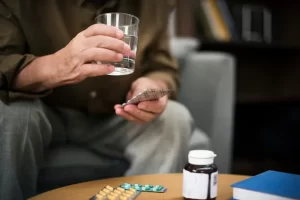
 Prescription drug misuse does not always begin with intentional substance use. In some cases, it starts with easy access to medication in a family medicine cabinet, an unattended pill organizer, or a prescription bottle left on a bedside table. Younger children may not understand the difference between medicine and candy, while teenagers may experiment with medication because of curiosity, stress, peer influence, or the mistaken belief that prescription drugs are safer than illegal substances.
Certain medications deserve particular attention. Opioid pain relievers, sedatives, anti-anxiety medications, and prescription stimulants can cause serious harm when taken incorrectly or without medical supervision. Even medication prescribed by a healthcare professional can be dangerous when used by the wrong person or in an inappropriate amount.
Parents play an important role in preventing these situations. By establishing clear household rules, securing medications, and maintaining open communication, families can reduce accidental exposure and help children develop responsible attitudes toward medication.
Store Prescription Medications Safely
One of the most effective ways to prevent accidental prescription drug misuse is to control access to medication. A medicine cabinet may seem like a convenient storage location, but it is not necessarily secure enough to protect curious children or teenagers.
Keep Medication Locked Away
Store prescription and over-the-counter medications in a locked container, cabinet, or medication safe. Choose a location that children cannot easily reach or access. Simply placing medication on a high shelf may not provide sufficient protection, particularly as children become older and more resourceful.
Remember to secure medications belonging to every household member, including parents, grandparents, and visiting relatives.
Keep Medicines in Their Original Containers
Prescription medications should remain in their original labeled containers whenever possible. These labels provide important information about the medication, dosage, prescribing instructions, and intended patient.
Avoid placing loose pills in drawers, purses, or unmarked containers. Children may mistake unidentified pills for something harmless, and adults may accidentally take the wrong medication.
Be Careful With Daily Medication Routines
Pill organizers can make medication schedules easier to manage, but they should also be stored securely. Never leave an open organizer on a kitchen counter or bedside table where children can reach it.
Parents should also avoid taking medication in front of young children without explaining that it is something used only by the person for whom it was prescribed.
Teach Children That Prescription Drugs Are Not Harmless
Children need age-appropriate explanations about medication safety. Telling them that medicine is dangerous in every situation can create confusion, especially when they regularly see family members taking prescriptions responsibly.
Instead, explain that medicine can help when used correctly, but taking someone else’s prescription or using too much can cause serious harm.
Start Conversations Early
Young children can learn simple rules, such as never touching medication without an adult’s permission and never accepting pills from another person.
As children get older, parents can introduce more detailed discussions about prescription drug misuse, medication sharing, and the risks of taking substances to improve concentration, manage emotions, or experiment.
For teenagers, these conversations should address real situations they may encounter, including friends offering prescription stimulants to help with studying or pain medication being shared at social gatherings.
Explain Why Sharing Medication Is Unsafe
Some teenagers may believe that giving a friend a prescription pain reliever or anxiety medication is an act of kindness. They may not understand that medications affect people differently.
A prescription is intended for a specific person based on their medical history and individual needs. Taking medication prescribed for someone else can lead to dangerous side effects, harmful interactions, or an overdose.
Make it clear that no one should share prescription medication, even when they believe they are helping.
Monitor Medication Use Without Creating Fear or Conflict
Parents should pay attention to how medications are stored, used, and accessed throughout the household. This does not mean treating every question or behavior as suspicious. Instead, it means recognizing that consistent supervision can help identify potential problems before they become serious.
Watch for Changes in Medication Supplies
If prescription medication seems to disappear unexpectedly, take time to investigate. Check whether doses were taken as prescribed, whether a family member misplaced the medication, or whether someone else may have accessed it.
For medications with a higher potential for misuse, keeping track of the supply can help parents identify unexplained shortages.
Recognize Possible Warning Signs
Some behaviors may indicate that a child or teenager has accessed medication without permission. These can include:
- Unexplained drowsiness, confusion, or unusual changes in energy.
- Secretive behavior involving medicine cabinets or prescription bottles.
- Missing medication or unexplained changes in pill counts.
- Sudden changes in mood, sleep, or school performance.
- Increased anxiety, irritability, or withdrawal from family activities.
- Unusual interest in medications prescribed to other household members.
None of these signs proves that a child is misusing prescription drugs. However, repeated changes deserve attention. Parents should approach concerns calmly, ask direct questions, and seek professional guidance when appropriate.
Dispose of Unused Prescription Medication Properly
Unused medication can become an ongoing household safety risk. Prescriptions left over after surgery, an illness, or a change in treatment may remain accessible long after they are needed.
Rather than keeping unnecessary medication indefinitely, parents should arrange safe disposal.
Use Authorized Medication Take-Back Programs
Medication take-back programs provide a safer way to dispose of many unused or expired prescriptions. Pharmacies, healthcare facilities, and community organizations may offer collection services.
Parents should follow local disposal guidelines and check whether a particular medication has specific disposal instructions. Some medicines have additional precautions because of their potential danger if accidentally taken.
Avoid Leaving Old Prescriptions Within Reach
Review household medications periodically. Remove expired prescriptions and medicines that are no longer needed, while keeping current prescriptions organized and secure.
This simple habit reduces the number of medications children might encounter and makes it easier to monitor what remains in the home.
What to Do if a Child Takes Medication Accidentally
Even careful families can experience unexpected situations. If a child may have swallowed medication without permission, parents should treat the situation seriously.
Do not wait for symptoms to appear. Contact your local poison control service or emergency medical provider immediately for instructions. If the child is unconscious, having difficulty breathing, experiencing a seizure, or otherwise showing signs of a medical emergency, contact emergency services immediately.
Do not try to make the child vomit unless a medical professional specifically instructs you to do so. If possible, keep the medication container available so healthcare professionals can identify the substance and determine the appropriate response.
Prompt medical guidance can make an important difference when accidental ingestion occurs.
When Prescription Drug Use Becomes a Larger Concern
Accidental exposure and intentional prescription drug misuse are different situations, but both deserve attention. If a teenager repeatedly takes medication without permission, uses prescriptions to manage emotional distress, or begins seeking substances from friends, parents should consider whether a deeper problem may be developing.
Prescription drug misuse can sometimes occur alongside anxiety, depression, trauma, family difficulties, or other mental health concerns. In these situations, addressing medication use alone may not resolve the underlying challenges.
Consider Individualized Addiction and Mental Health Treatment
Professional assessment can help determine whether a young person needs substance use treatment, mental health support, or both. Treatment recommendations should reflect the individual’s age, circumstances, substance use history, emotional needs, and level of risk.
Depending on the assessment, care may involve outpatient counseling, structured treatment, or inpatient support when a higher level of supervision is necessary.
Individualized treatment can also address the reasons behind substance use. Therapy may help young people develop healthier coping skills, manage difficult emotions, improve decision-making, and rebuild trust with family members.
Include the Family in the Recovery Process
Parents and caregivers can be important partners in recovery. Family involvement may help improve communication, establish healthy boundaries, and create a safer home environment.
A whole-person approach can also consider emotional, behavioral, physical, relational, and spiritual needs. For families who value faith, spiritual support may be an additional part of the treatment experience when appropriate and desired.
At Crossroads of Delaware, the focus on addiction recovery and mental health support reflects the importance of individualized care. Families concerned about a young person’s substance use can explore available treatment options and ask which services are appropriate for their child’s age and circumstances.
Creating a Safer Home Starts With Consistent Action
Protecting children from prescription drug misuse requires more than locking a medicine cabinet. It involves safe storage, responsible disposal, regular supervision, and honest conversations about medication. Just as importantly, parents should create an environment where children feel comfortable discussing peer pressure, emotional struggles, and questions about substance use.
If a child or teenager has already experimented with prescription medication, avoid relying on punishment or fear alone. Take the concern seriously, seek appropriate medical or professional guidance, and consider whether additional addiction or mental health support is needed.
Families do not have to address these challenges without help. Learning about treatment options and seeking an individualized assessment can be meaningful first steps toward safety and recovery. With informed parenting, consistent boundaries, and appropriate professional support, families can reduce medication-related risks and help young people build healthier futures.